
How Smart Devices in the Office Improve Productivity
In today’s fast-paced, hybrid work environment, outdated office setups and manual processes are holding teams back. Disjointed communication and rigid workflows stifle productivity and innovation.
Smart devices offer a solution—AI assistants, IoT-enabled systems, and automated tools are transforming workplaces by making them more efficient, flexible, and engaging.
In this blog, we’ll explore how smart technology is reshaping productivity with practical examples and real-world benefits
The Modern Workplace Problem: Outdated and Inefficient
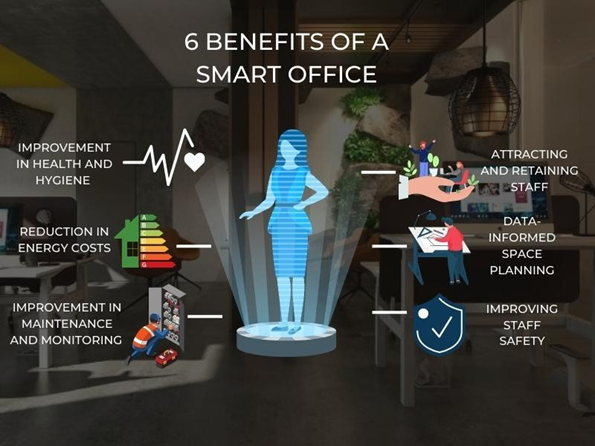
Despite rapid advances in technology, many offices still operate on outdated systems that struggle to meet today’s dynamic demands. Corporate professionals, office managers, and IT leaders often face challenges like:
- Repetitive manual tasks draining valuable time
- Poor internal communication slowing collaboration
- Limited support for remote and hybrid teams
- Decreased employee engagement and focus
- Delays in decision-making due to fragmented tools
These inefficiencies directly impact productivity and morale. Employees are often bogged down by administrative work instead of focusing on value-driven tasks. As workforces become more mobile and digital-first, the pressure to modernize is undeniable.
What Are Smart Office Devices?
Smart office devices are connected, intelligent tools that automate, optimize, or enhance the workplace experience. These aren’t just flashy gadgets—they’re practical solutions designed to solve real problems.

Examples include:
- AI-powered assistants like Google Assistant or Microsoft Copilot for task management
- IoT-enabled lighting and climate control that adapts to usage patterns
- Smart desks that track posture and encourage movement
- Digital collaboration boards and voice-controlled conference systems
- Workflow automation tools that reduce repetitive tasks
By integrating these tools, offices become more responsive, efficient, and conducive to deep work.
How Smart Devices Improve Workplace Productivity
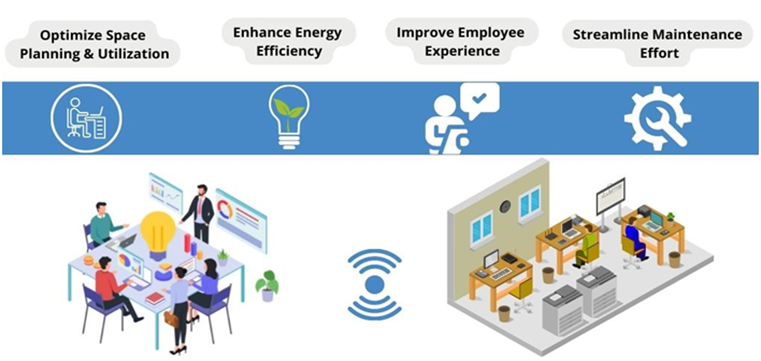
Let’s break down how these tools impact key areas of productivity:
1. Time-Saving Through Automation
Smart devices eliminate repetitive, low-value tasks like:
- Booking meeting rooms
- Adjusting office lighting
- Sending reminders or notifications
- Sorting and tagging emails
This automation allows employees to focus on high-impact work. According to a McKinsey report, automation can reduce up to 20% of a professional’s daily tasks.
2. Better Communication and Collaboration
Many smart tools integrate seamlessly with platforms like Microsoft Teams, Slack, or Zoom. This creates:
- Real-time file sharing and annotations
- Smart scheduling with timezone matching
- Voice-commanded meeting notes and recaps
Remote and hybrid teams benefit the most, as these devices help bridge the communication gap and foster transparency.
3. Personalized Work Environments
Smart thermostats, lights, and even sound systems adapt based on user preference or room occupancy. This helps:
- Maintain comfort without manual adjustment
- Reduce distractions caused by lighting or noise
- Increase focus and mental clarity
A Harvard Business Review study showed that personalized environments can boost worker productivity by up to 25%.
4. Improved Health and Ergonomics
Smart desks, posture trackers, and movement reminders support physical well-being. Healthier employees = more engaged employees.
Benefits include:
- Reduced physical strain
- Encouragement to take breaks
- Integration with health apps to track movement or stress levels
All of which contribute to sustained energy and long-term productivity
Practical Tips for Implementing Smart Devices in Your Office
If you’re considering making your workplace smarter, start small and strategic. Here’s how:
1. Identify Key Pain Points
Focus on areas where inefficiencies are most obvious—manual scheduling, energy usage, or task tracking.
2. Start with Scalable Tools
Begin with tools that integrate with your existing systems:
- AI assistants (e.g., ChatGPT, Siri for Business)
- Smart bulbs or thermostats
- Desk booking apps with sensors
3. Train Your Team
Even the best tools fail without adoption. Offer quick training sessions or tutorials so your team feels comfortable using them.
4. Monitor and Optimize
Use built-in analytics to track productivity improvements. Make adjustments based on usage patterns and feedback.
The Future Is Now: Embrace Smart Productivity
Smart office devices are no longer futuristic—they’re practical, accessible, and increasingly essential in today’s workplaces. By adopting smart devices thoughtfully, businesses can solve common workplace inefficiencies and empower employees to work smarter, not harder.
The key isn’t just in the technology, but in how it’s used. When integrated strategically, smart devices become silent partners in productivity—enhancing workflow, improving collaboration, and creating workspaces that adapt to people, not the other way around

Thank you for some other informative web site. Where else may just I am getting that kind of info written in such a perfect manner? I have a challenge that I’m simply now running on, and I have been at the look out for such info.
Thank you so much for your kind words! We’re really glad to know you found the information helpful. At Aottar, our goal is to share practical, well-researched insights that genuinely help professionals and businesses navigate real-world challenges.
If you’re exploring similar topics, you can also find valuable perspectives on productivity and smart workplaces through reputed tech and automation blogs, industry reports, and case studies—but we’re happy to be one of your go-to resources.
If you’d like to share more about the challenge you’re currently facing, feel free to reach out. We’d be happy to help or even cover it in an upcoming blog.
Thanks again for reading and engaging with us at Aottar — Automation means Aottar.